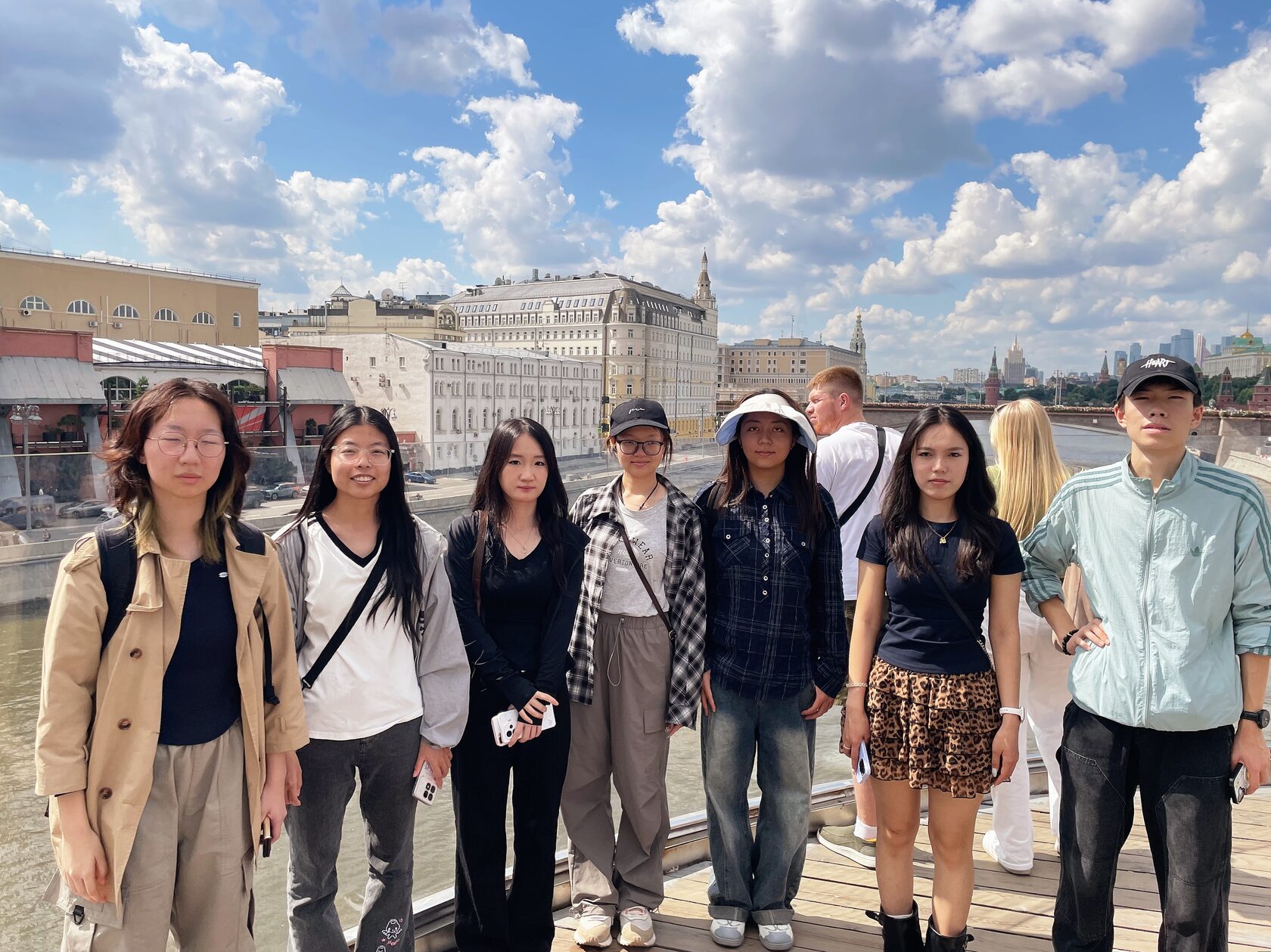
The Summer School for students from the People’s Republic of China is continuing at the Institute of International Education. The programme combines Russian language instruction with an introduction to Russian history, culture and contemporary life.
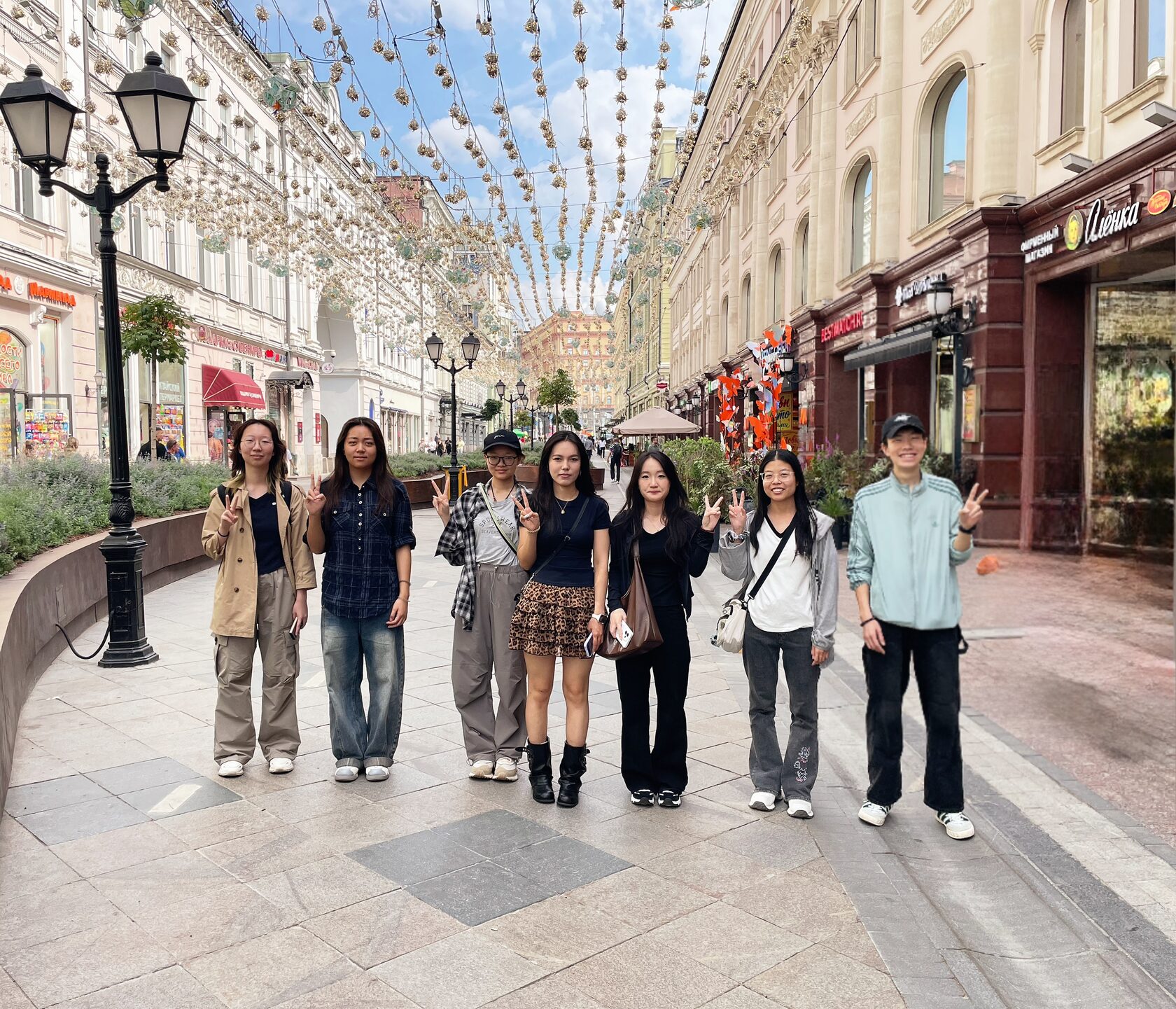
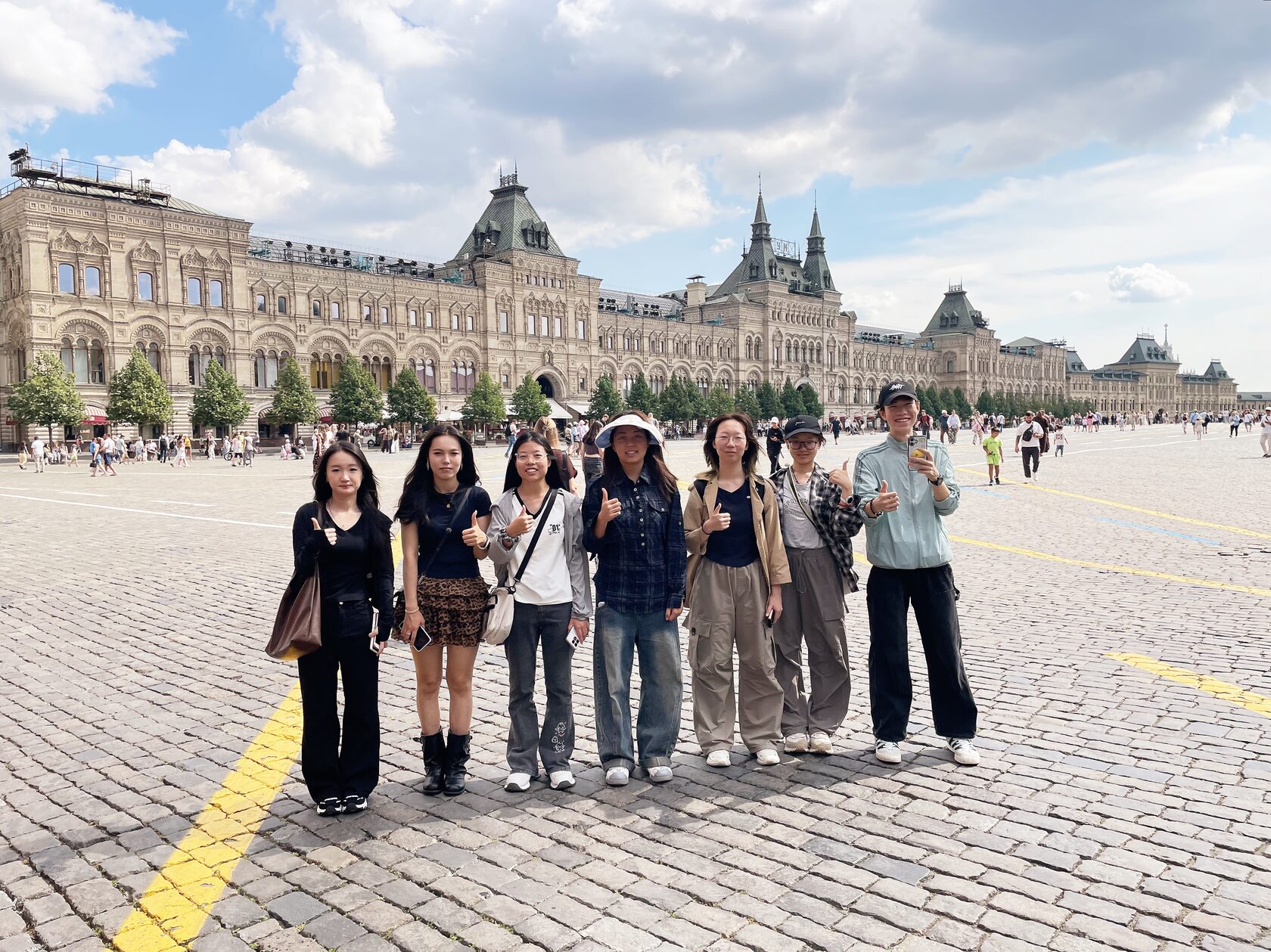
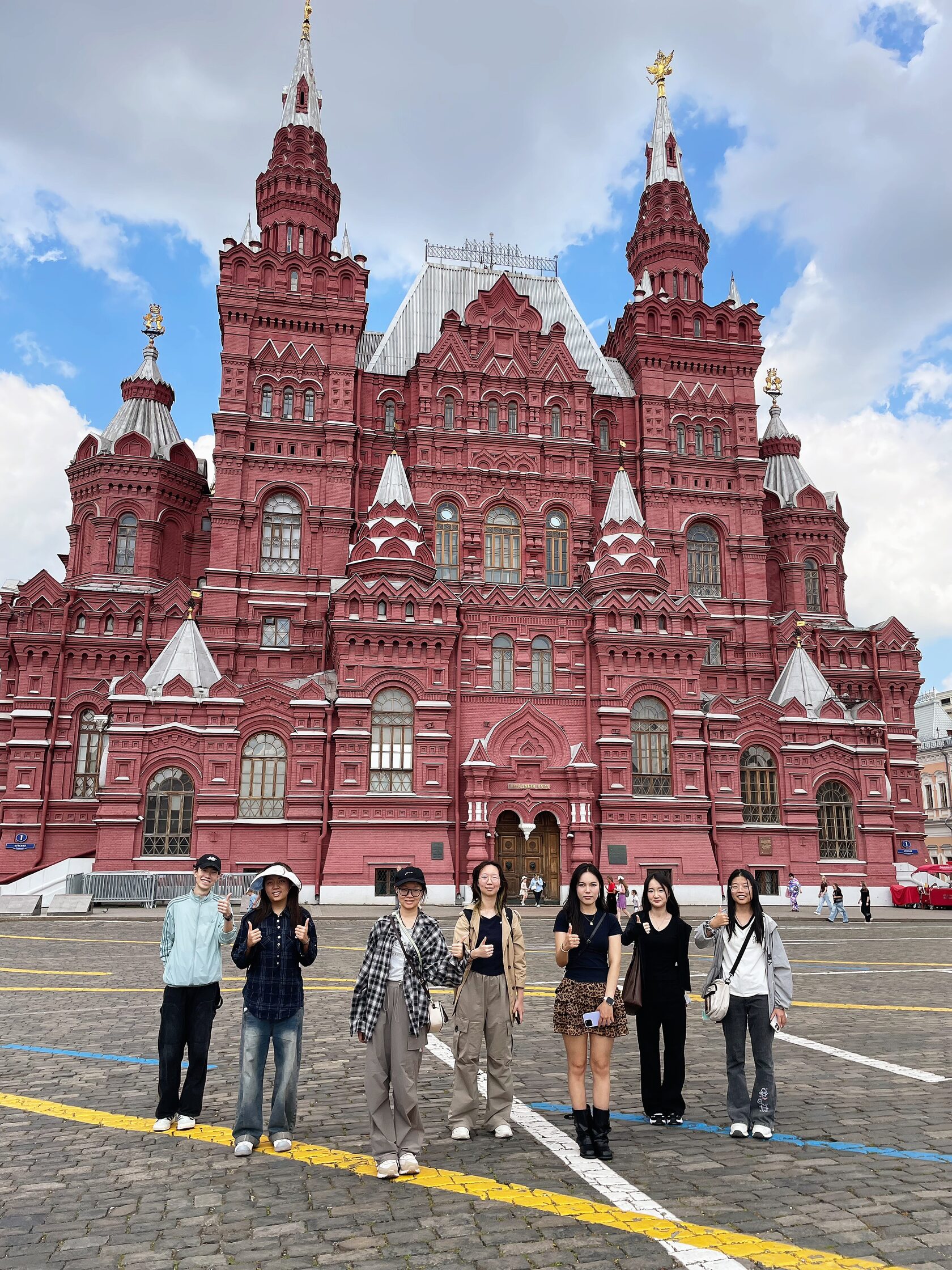
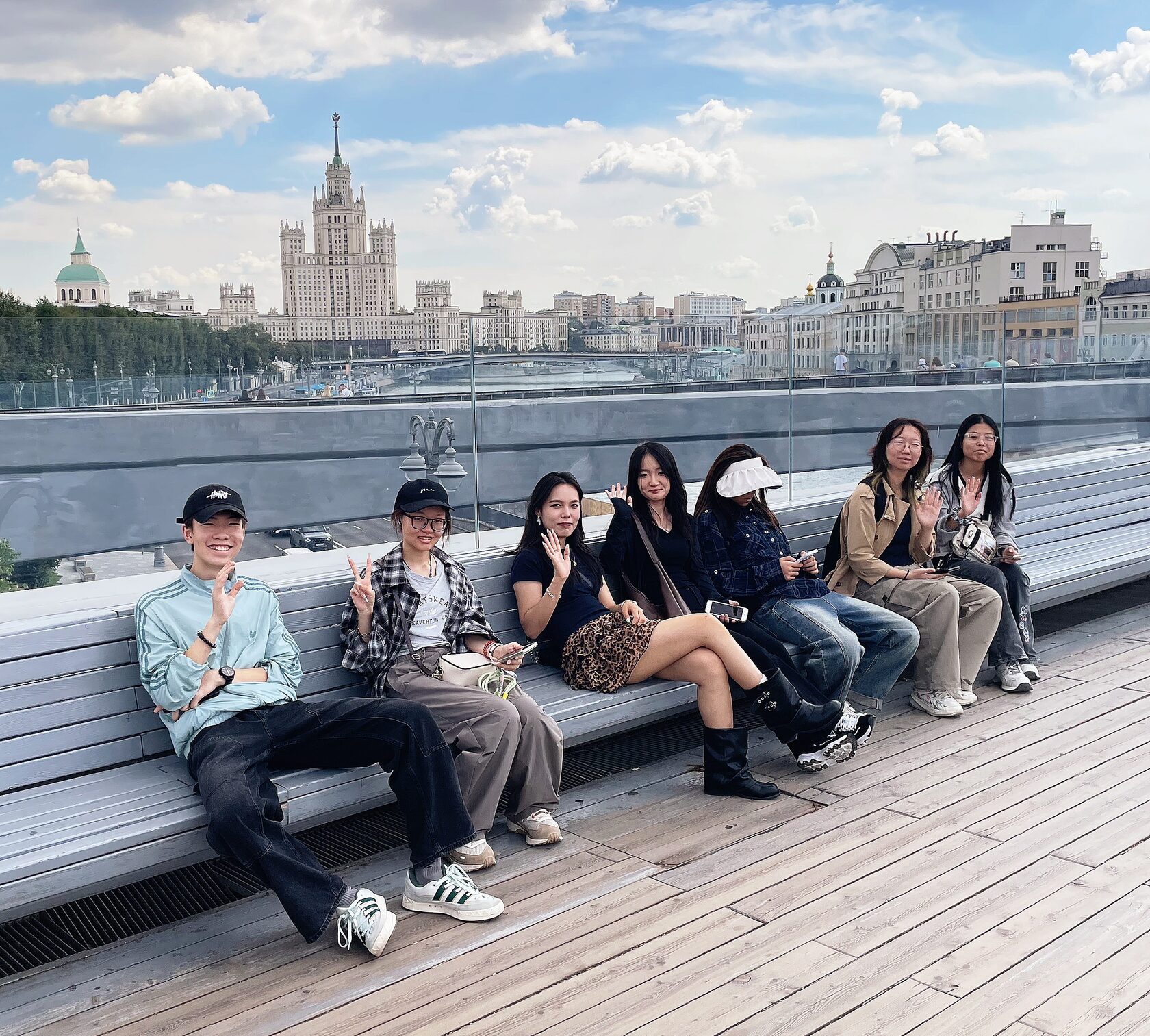
As part of the course, the participants attended another field-based lesson devoted to the topic “Moscow’s Landmarks.” The lesson took place in Red Square, Alexander Garden and Zaryadye Park.
Field-based classes provide international students with an opportunity to apply the vocabulary and cultural knowledge acquired in the classroom in an authentic urban environment. This approach enhances the effectiveness of language learning and helps students develop a deeper understanding of Moscow’s historical and cultural heritage.
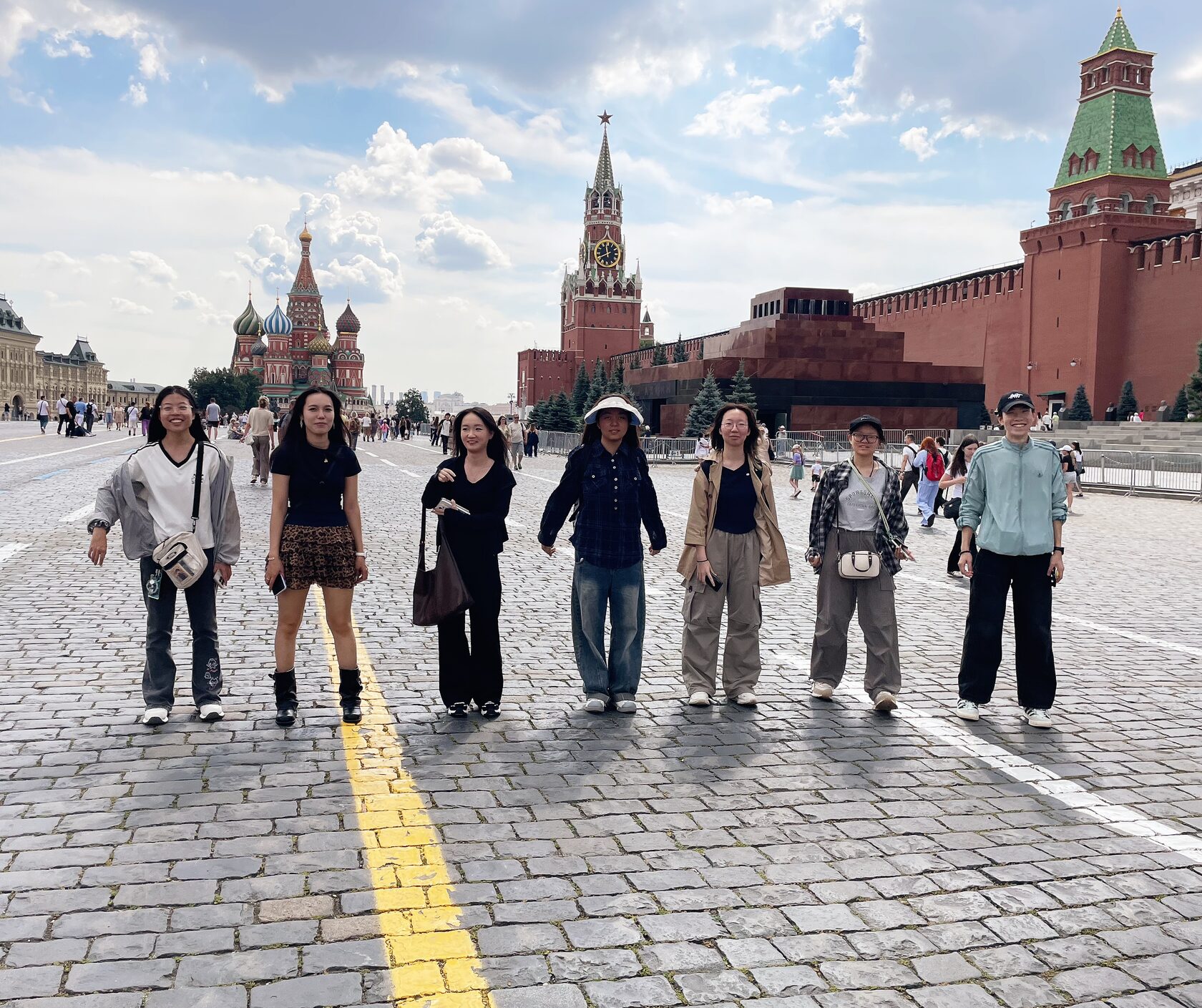
During the lesson, the participants explored prominent sites in the historic centre of the Russian capital, including the architectural ensembles and monuments of Red Square, the Tomb of the Unknown Soldier memorial complex, and the picturesque alleys of Alexander Garden. They also visited the contemporary landscape and observation areas of Zaryadye Park, which offer panoramic views of the Moskva River and the Kremlin.
The instructors highlighted the historical and architectural features of each site, as well as its significance in the cultural life of Moscow. Particular attention was paid to the vocabulary and grammatical structures related to the topic “Moscow’s Landmarks,” including place names, verbs of motion, expressions used to describe location, and historical and cultural terms.
The field lesson combined educational objectives with an opportunity to experience the atmosphere of Moscow’s iconic public spaces. The visual impressions and direct contact with the city’s cultural heritage contributed to a more engaging and meaningful learning experience for the participants.
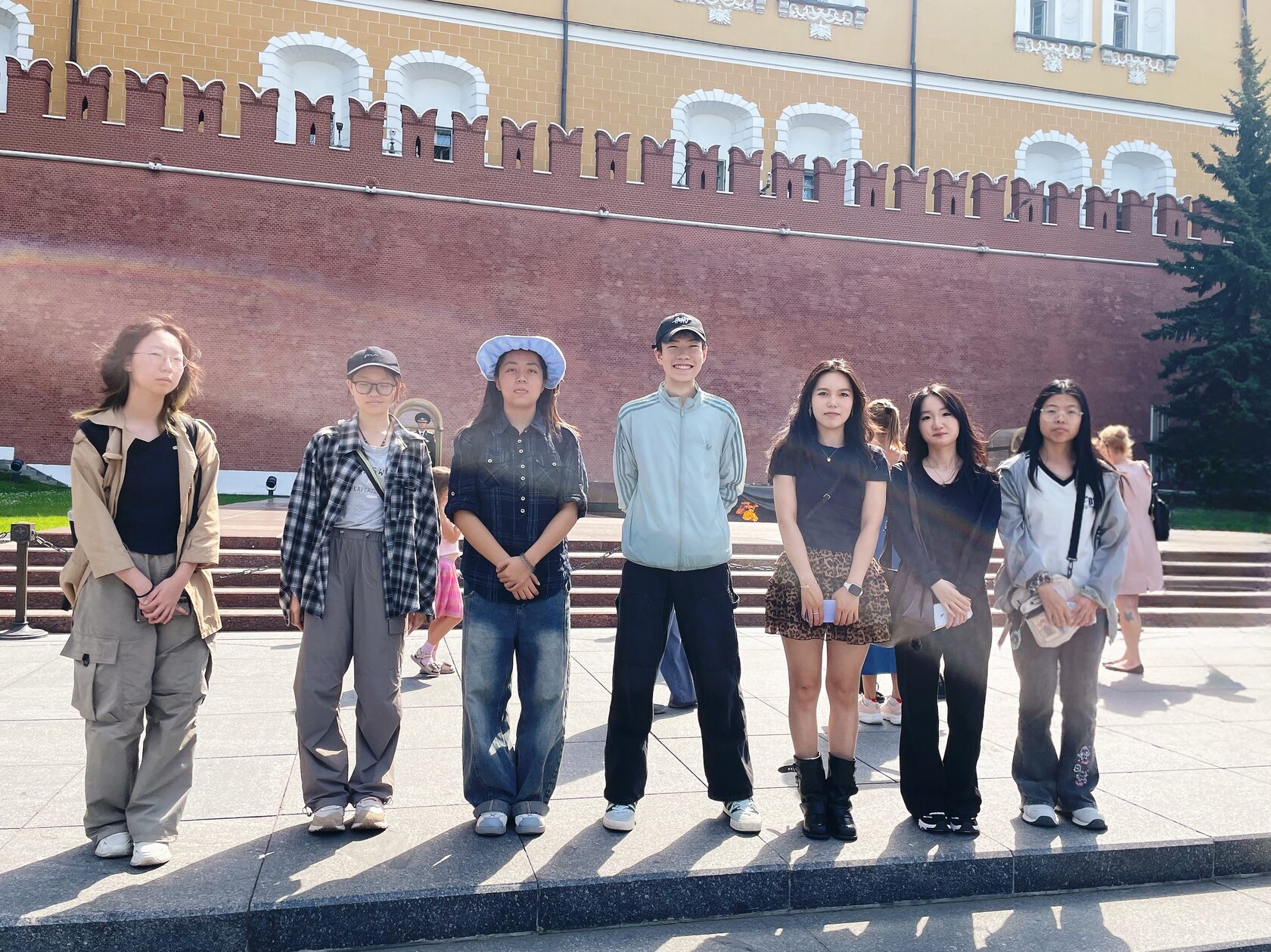
The Summer School students shared their impressions of the lesson.
“I had read a great deal about Red Square in my textbooks, but seeing it in person was a completely different experience. It is truly beautiful and impressive,” said Ren Limin, a Summer School participant.
“I liked Zaryadye Park the most. Its architecture is very unusual, and it offers a beautiful view of the Moskva River. This lesson helped me remember the new vocabulary more effectively,” said Liang Anjiang, a participant in the programme.