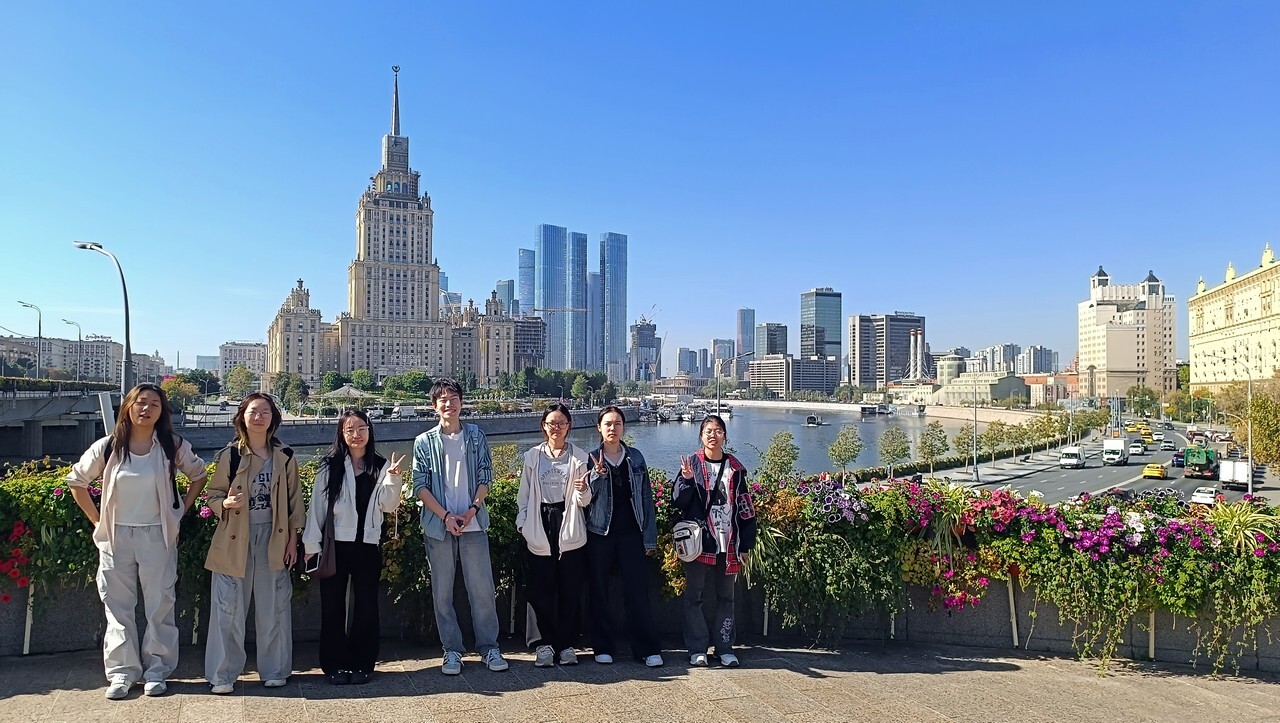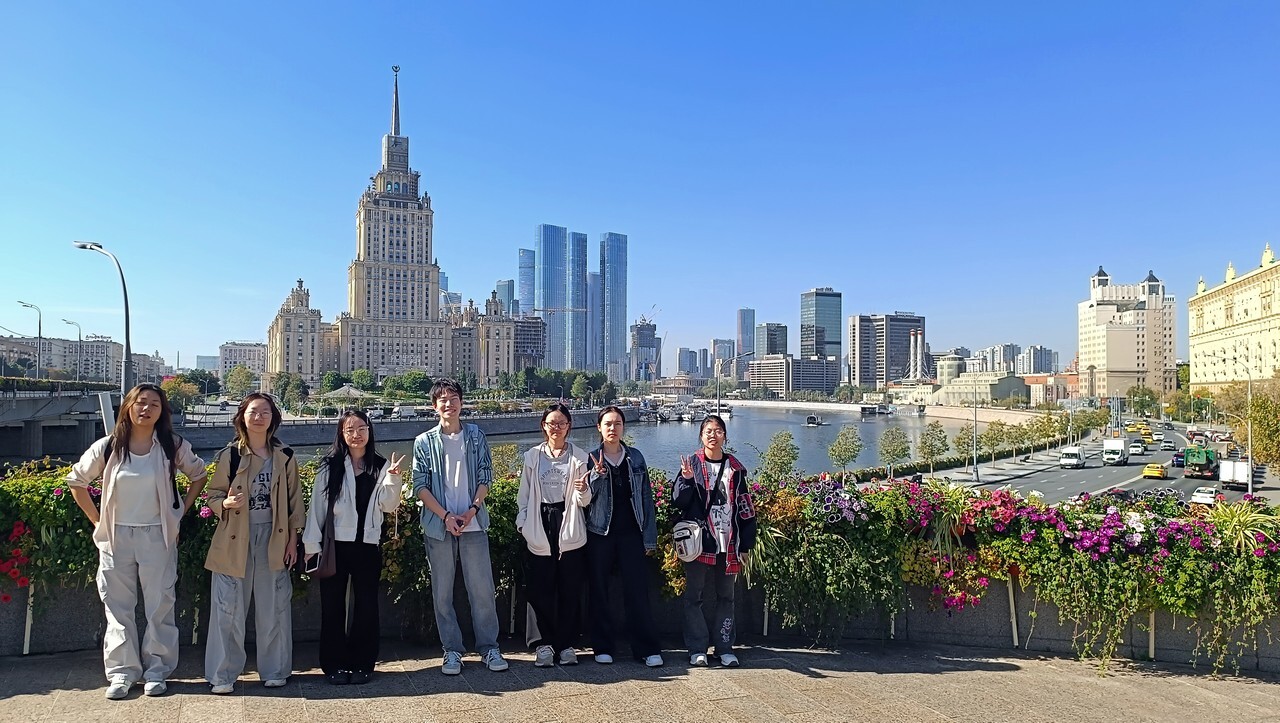
The Summer School of the Institute of International Education is drawing to a close, and on the second-to-last day of the program, the students spent their time not at their desks but at one of the capital's most picturesque locations — the embankment of the Moskva River.
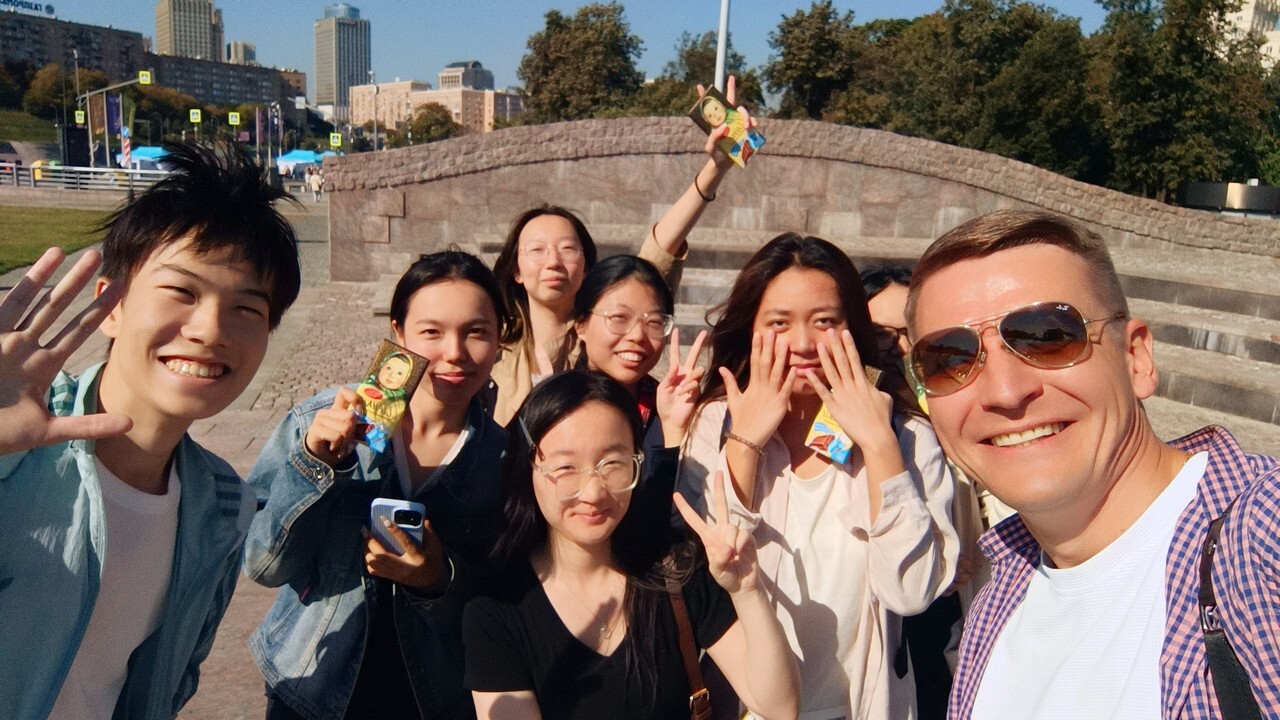
On this sunny autumn day, a group of international students, together with the Institute's instructor Pavel Krasnovid, set off on an unusual journey through the city. The route ran from Square of Eurasia, with the flags of various countries near Kievsky Railway Station, with its famous fountain, to the embankment, which offers a panoramic view of the Hotel Ukraina, the House of the Government of the Russian Federation, and the modern skyscrapers of Moscow City.
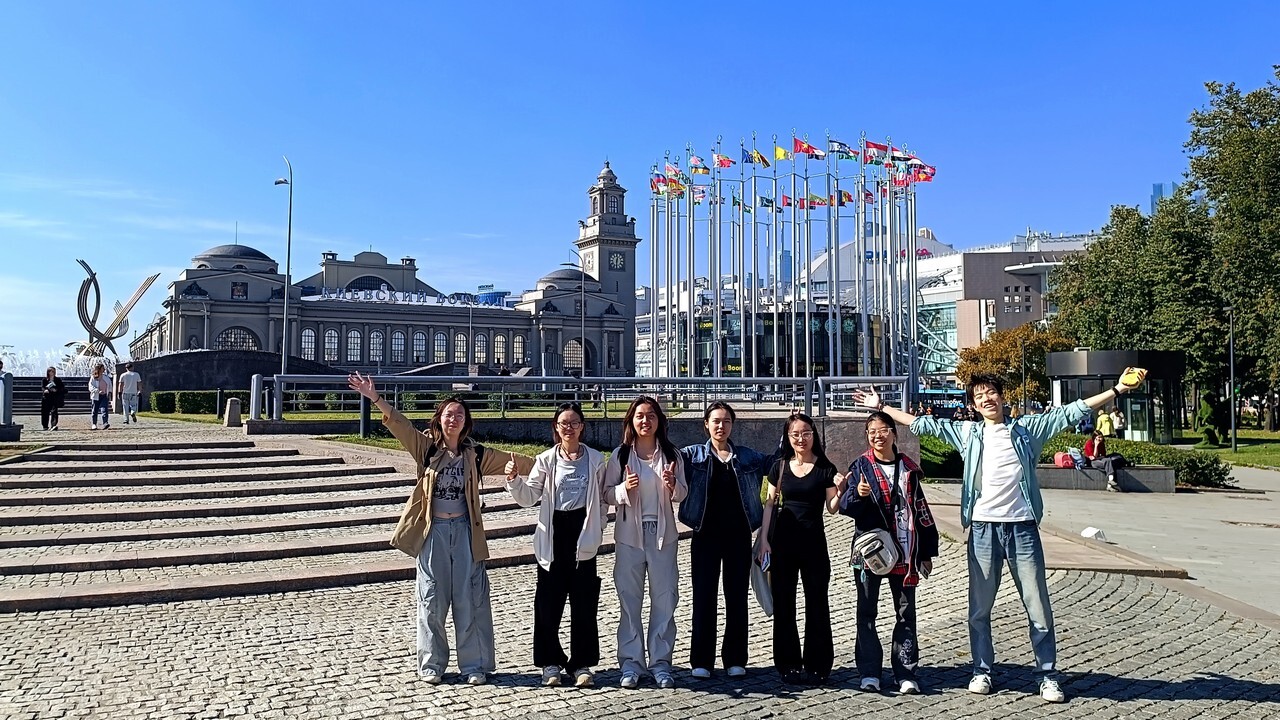
The students happily took photos against the backdrop of the sights. The atmosphere of the walk was warm and friendly: smiles, victory signs, and genuine emotions spoke for themselves.
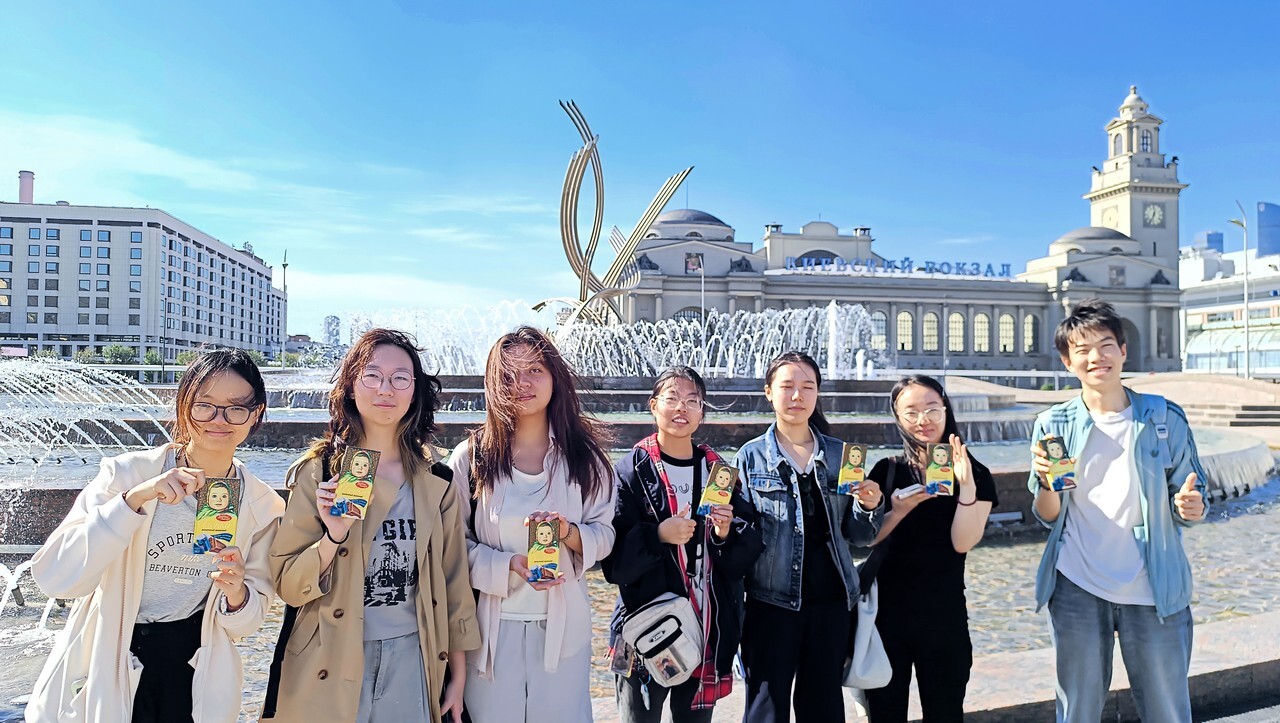
The program organizers note that this very combination — serious classroom study paired with lively walking lessons and excursions around the capital — has been the key to the Summer School's overall success. It is immersion in a real linguistic and cultural environment that allows students to master the material faster and more naturally, reinforce vocabulary, and practice conversational skills in a relaxed setting.
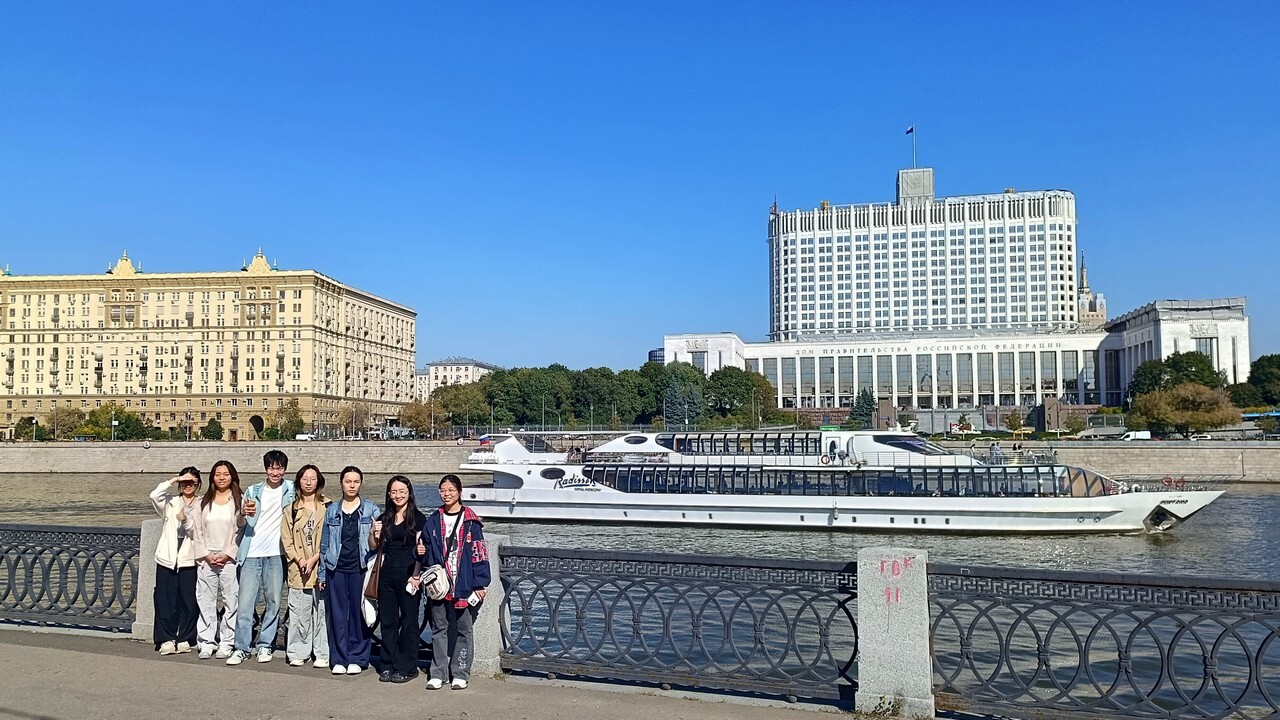
Pavel Krasnovid, an instructor at the Institute of International Education, shared his impressions:
"These walks are not just a break between lessons — they are a full-fledged part of the educational process. When students see Moscow with their own eyes, hear live speech, and learn the history of the buildings and monuments, the knowledge is absorbed far more deeply than through ordinary classroom work. That is why the Summer School program is structured so that theory is always reinforced by practice right on the streets of the city. Our students' results are the best proof of that."
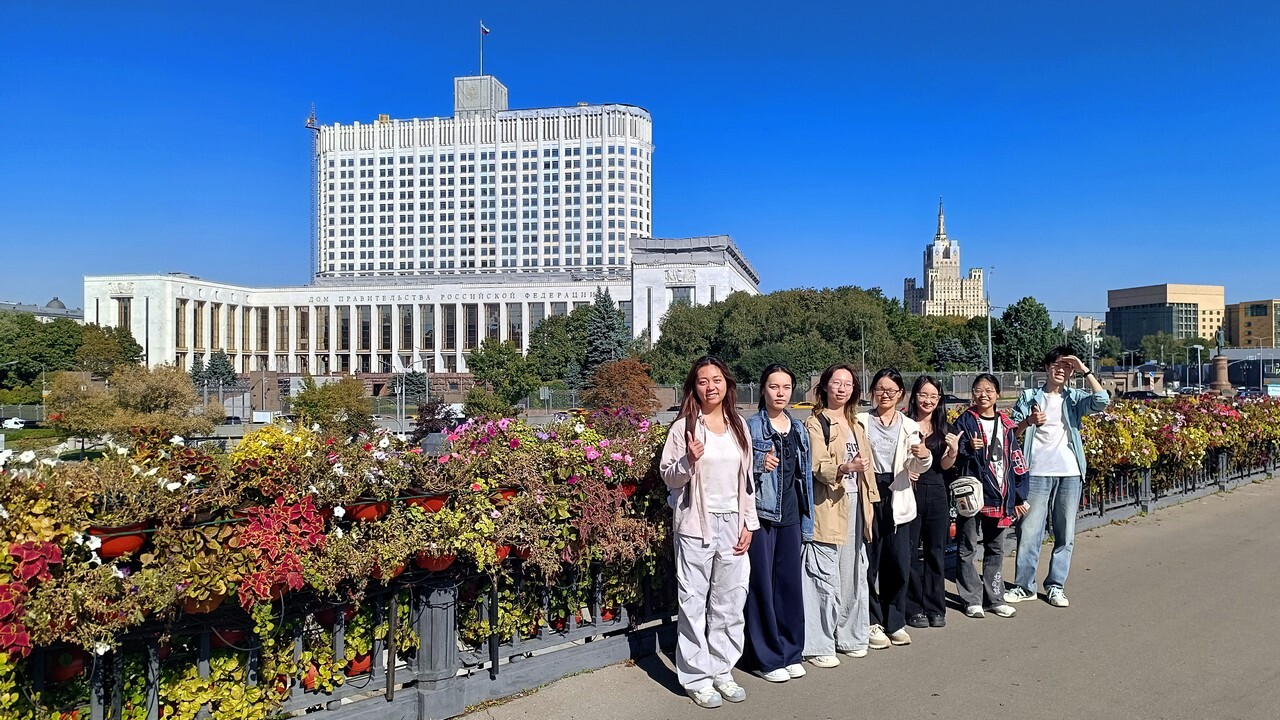
The Summer School of the Institute of International Education has shown that effective learning is not just about textbooks and lectures, but also about living interaction with culture and the city. This approach helps students not only master the language but also fall in love with Moscow — taking with them not only knowledge, but also vivid impressions.